RESEARCH
My research examines political representation, local democracy, and bureaucracy when elected responsibility and implementation authority are separated. The program develops from the dissertation and first book, through current work on effective access, to a planned second book project on bureaucratic implementation and substantive representation.
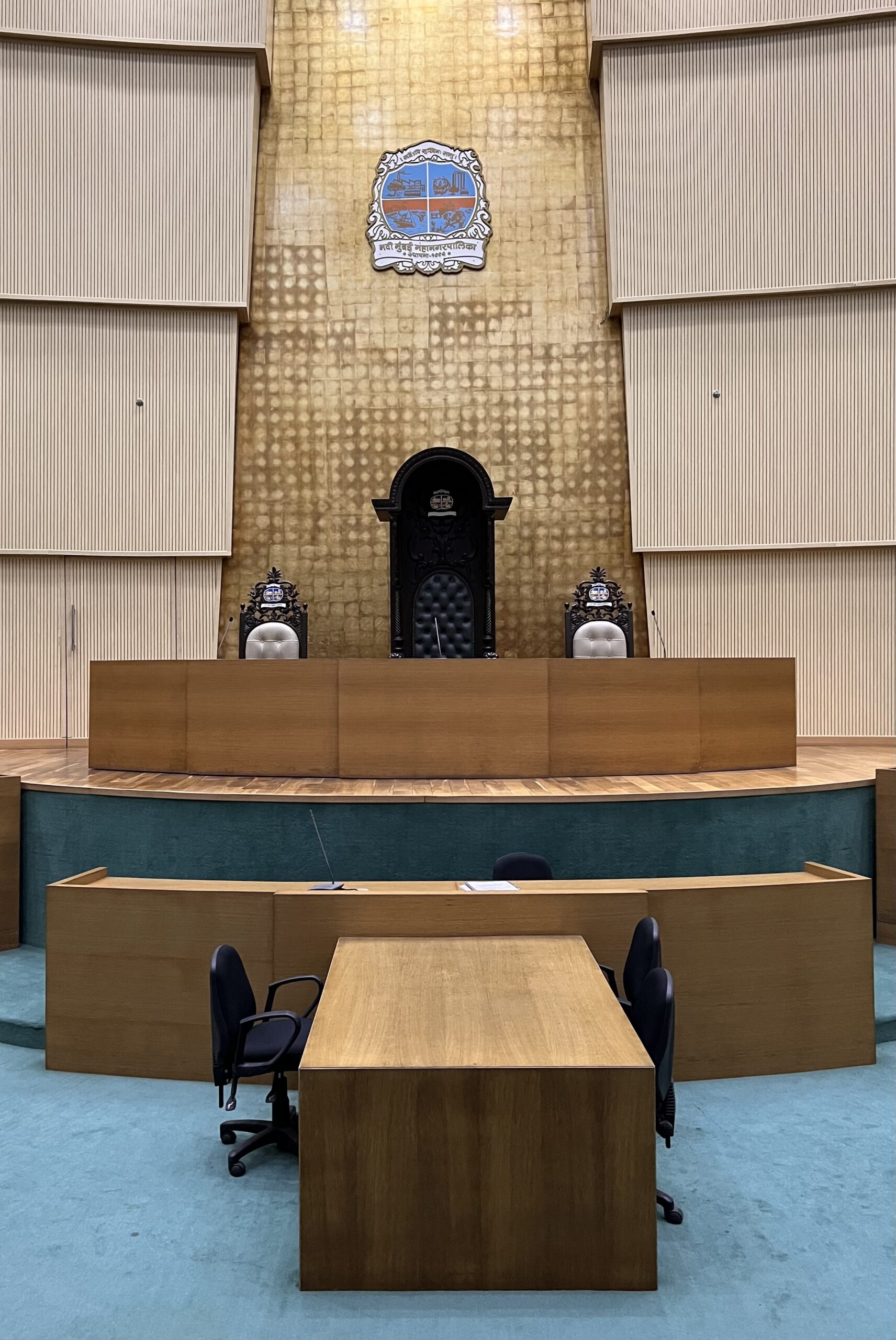
Beyond Paper Tigers: Municipal Politicians and Democratic Resilience at the Grassroots
Beyond Paper Tigers examines how elected representatives remain politically consequential when citizens hold them responsible for outcomes whose implementation depends on actors outside their direct control. The project asks why councilors confronting shared institutional constraints nevertheless pursue different strategies and possess unequal room to maneuver.
I examine three central constraints on representation: administrative, fiscal, and political. The project’s principal distinction is between Collaborative and Combative strategies. Leverage and cover help explain why common institutional conditions are not equally binding for differently positioned representatives.
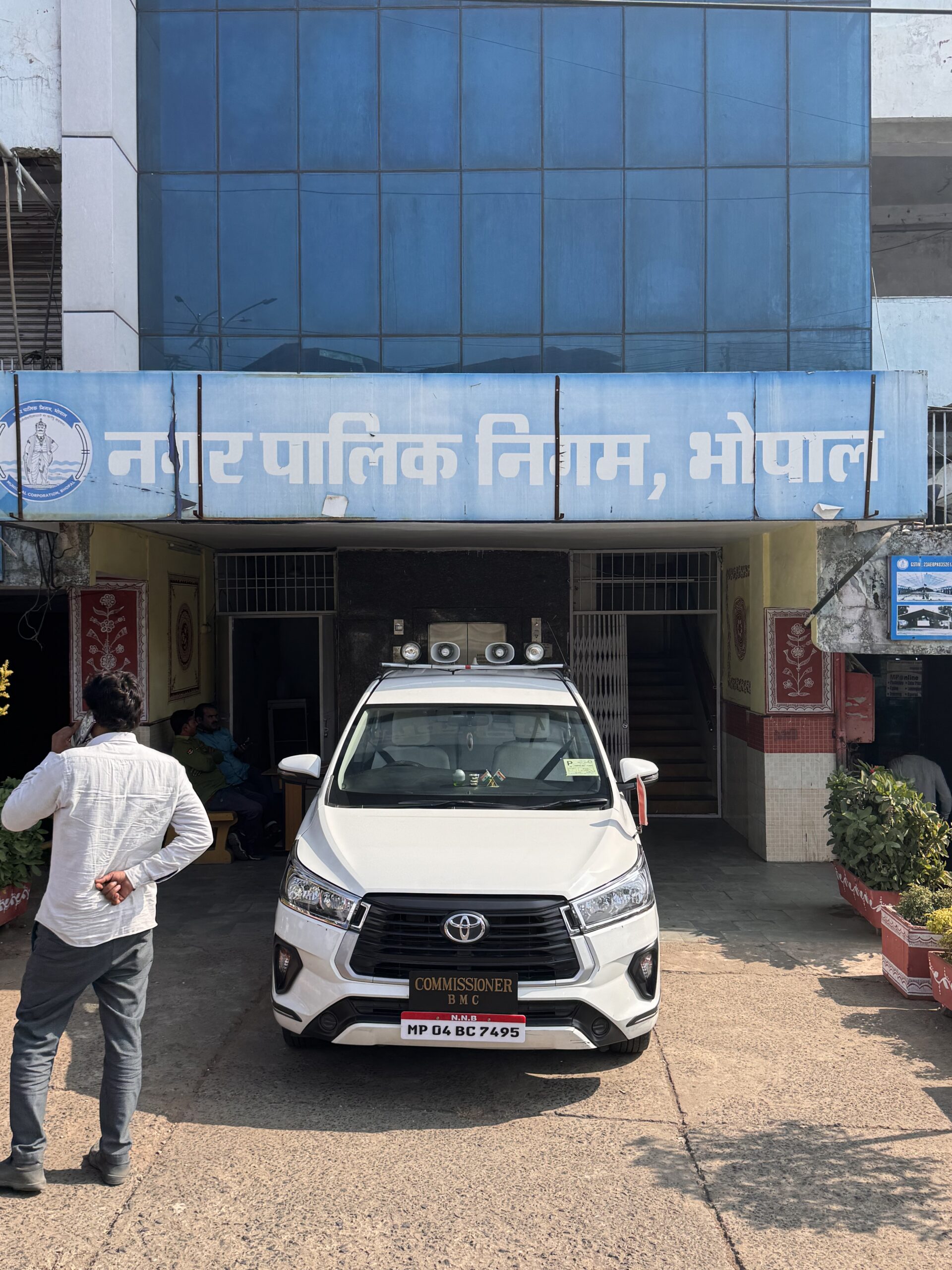
Leverage and Local Representation in Indian Cities
Building on my dissertation research on representation under fragmented authority, this paper asks why formally similar representatives differ in whether access to bureaucratic and political actors becomes consequential.
I distinguish Procedural Collaboration from Discretionary Collaboration and define leverage as the capacity to induce response by making nonresponse costly. Among collaborative survey responses, higher leverage-index scores are associated with greater reliance on discretionary rather than procedural collaboration.
The paper distinguishes access from effective access and does not establish that one form of collaboration produces better implementation or service-delivery outcomes.
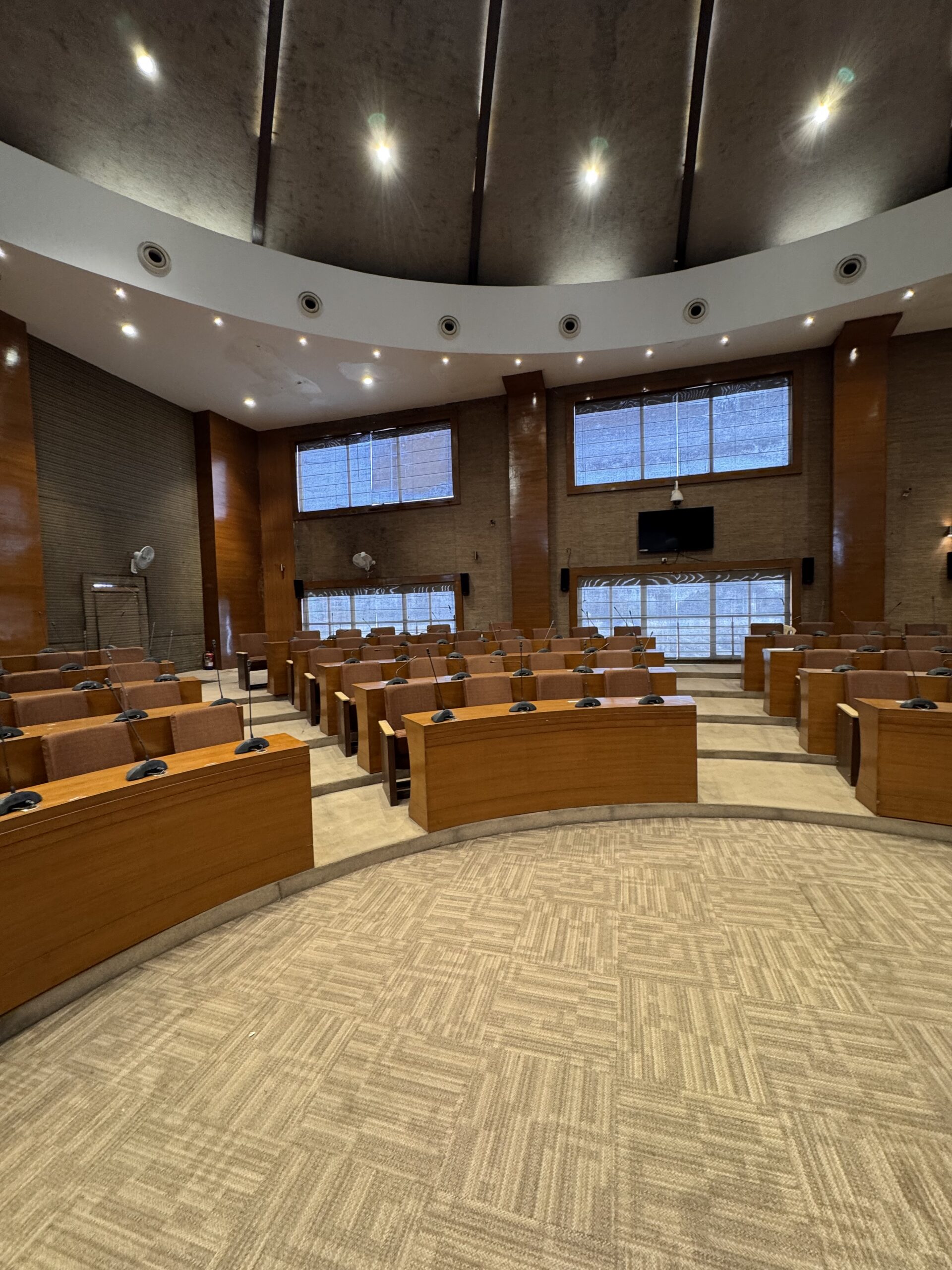
When Office Is Not Enough: The Politics of Urban Representation in India
My next project moves downstream from political access to bureaucratic implementation. It asks when intervention by an elected representative changes what government actually does, and when unequal effective access becomes unequal substantive representation.